
.jpg)
Rose Oil
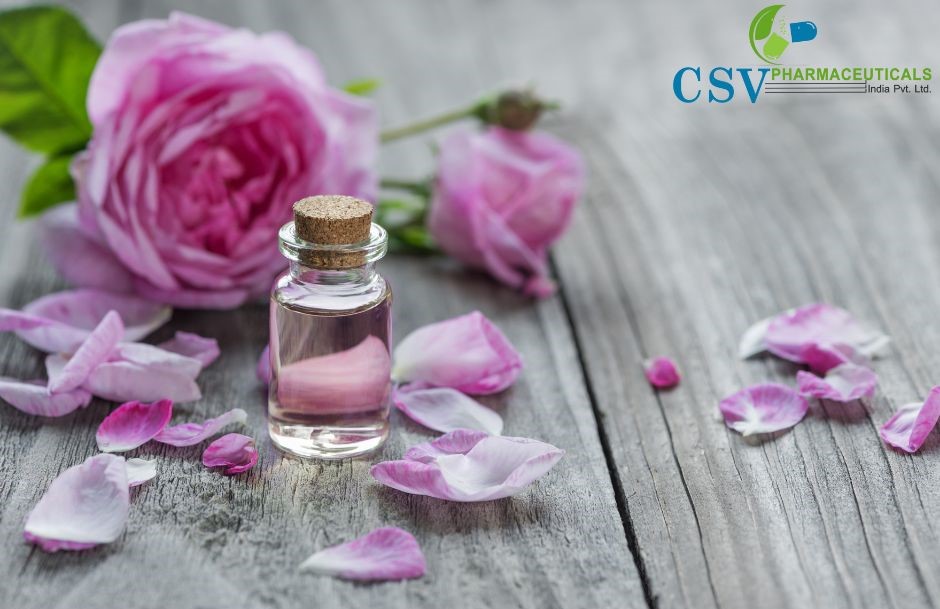
CSV76This Incredible Oil is obtained through the steam distillation method from freshly picked rose flowers, usually collected early in the morning. During the process, precise temperature control is essential to preserve its delicate aroma, which can be affected by overheating. The typical yield of pure rose essential oil ranges from 0.02% to 0.05%. We are the Most Reliable, reputable, & Trusted Rose Oil Manufacturers, Suppliers, and Exporters in India. We ensure the finest quality at a highly competitive price. Visit our product page to know the Specifications. And if you have any Commercial Orders, Enquire now at exports@csvpharmaceuticals.com.
Bulk Enquiry
Rose Oil
BP, USP Grade (Pharma, Food, and Cosmetic Grade)
Commonly known as Rose Otto, this extraordinary oil has been produced
through steam distillation for over 300 years. The earliest rose plantations
originated in the 16th century around Kazanlak, Bulgaria—an area globally
recognized for its ideal climate and soil conditions for rose cultivation.
Industrial
Uses:
This highly valued oil is widely used in the pharmaceutical
and cosmetic industries, as well as in the formulation of mouthwashes,
perfumes, and toothpaste. The rising global demand and broad applications are
driving substantial growth in the rose oil market.
Extraction
(How We Make It):
1. Rose oil is extracted by steam distillation from
fresh rose petals, typically harvested early in the morning.
2. Careful temperature control is vital during the process,
as overheating can degrade the aroma.
3. The typical yield of pure rose oil is very low,
approximately 0.02–0.05%.
Origin:
The name “rose” comes from the Greek word “Rodon”,
meaning red. The plant is native to Asia, Europe, North America, and
Northwest Africa.
Ecological
Information:
- Rose is a perennial shrub with climbing stems
and thorns.
- It thrives in fertile loamy soil and
requires salt-free irrigation.
- Optimal temperature for growth: 15°C to 28°C, with
regular watering.
6 Key
Pharma Benefits:
1. Helps treat stress, depression, grief, fear, and
emotional imbalances.
2. Supports heart health, including regulation of blood
pressure and arrhythmia.
3. Stimulates liver and gall bladder function.
4. Useful for treating asthma, cough, liver congestion,
nausea, and fever.
5. It has a hydrating and soothing effect on the skin.
6. May help inhibit cancer cell growth.
5 Key
Cosmetic Uses:
1. Acts as a natural antiseptic, suitable for all skin
types.
2. Essential ingredient in lotions and creams for
its soothing fragrance.
3. Provides deep skin hydration and improves
texture.
4. Ideal for use in baths and body oils.
5. A core component in high-end perfumes.
Abstract
(Chemical Composition):
Rose oil contains over 300 compounds. Key constituents
include:
Phenyl ethanol, citronellal, nerol, geraniol, farnesol, linalool, citral,
methyl eugenol, eugenol, citronellyl acetate, and rose oxide.
Concoction
(Oil Pairings):
Blends well with most essential oils, especially with Geranium and Jasmine
oil.
Safety
Measures:
Eye Contact:
Rinse with water for 15 minutes if oil gets into eyes. Remove contact lenses.
Seek medical help if irritation persists.
Skin Contact:
Remove contaminated clothing. Rinse skin with water for 15 minutes. Contact a
doctor if irritation occurs.
Inhalation:
If inhaled in large quantities, move to fresh air immediately. Seek medical
attention if symptoms are severe.
Storage
& Handling:
1. Avoid drinking or smoking while handling.
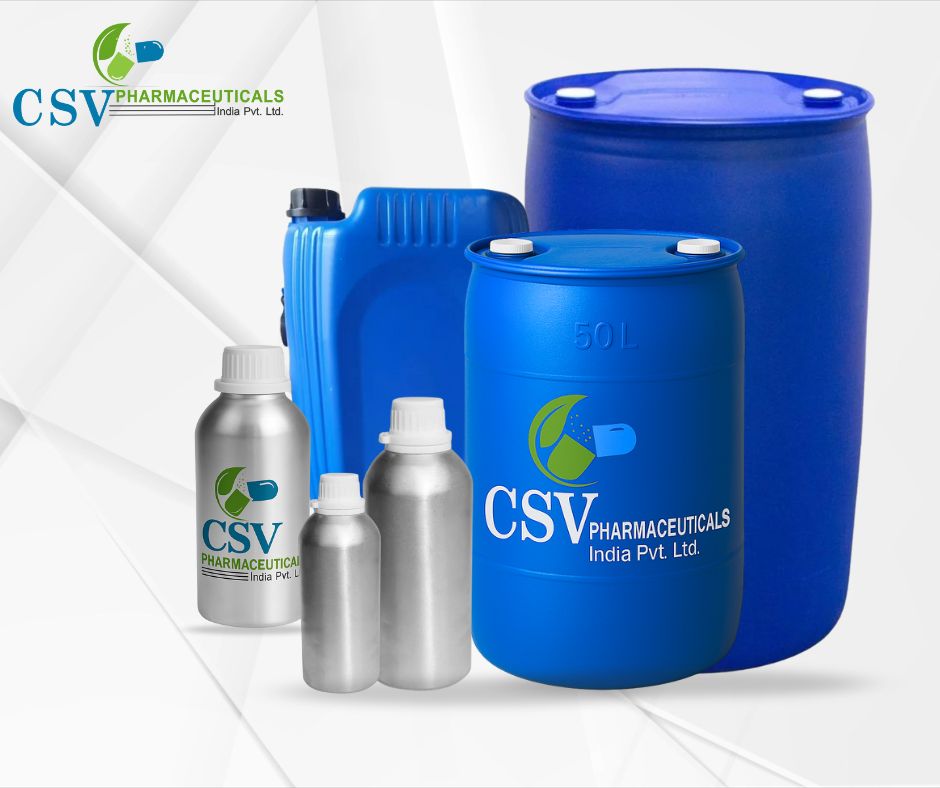
2. Do not leave drums empty or unsealed.
3. Maintain hygiene during use.
4. Store in a cool, dark place below 25°C.
Toxicological
Information:
- This oil is non-toxic, non-sensitizing, and
non-irritant.
- Caution: Use should be avoided during pregnancy.
